

Blog
Why TPU based PPF is the real future
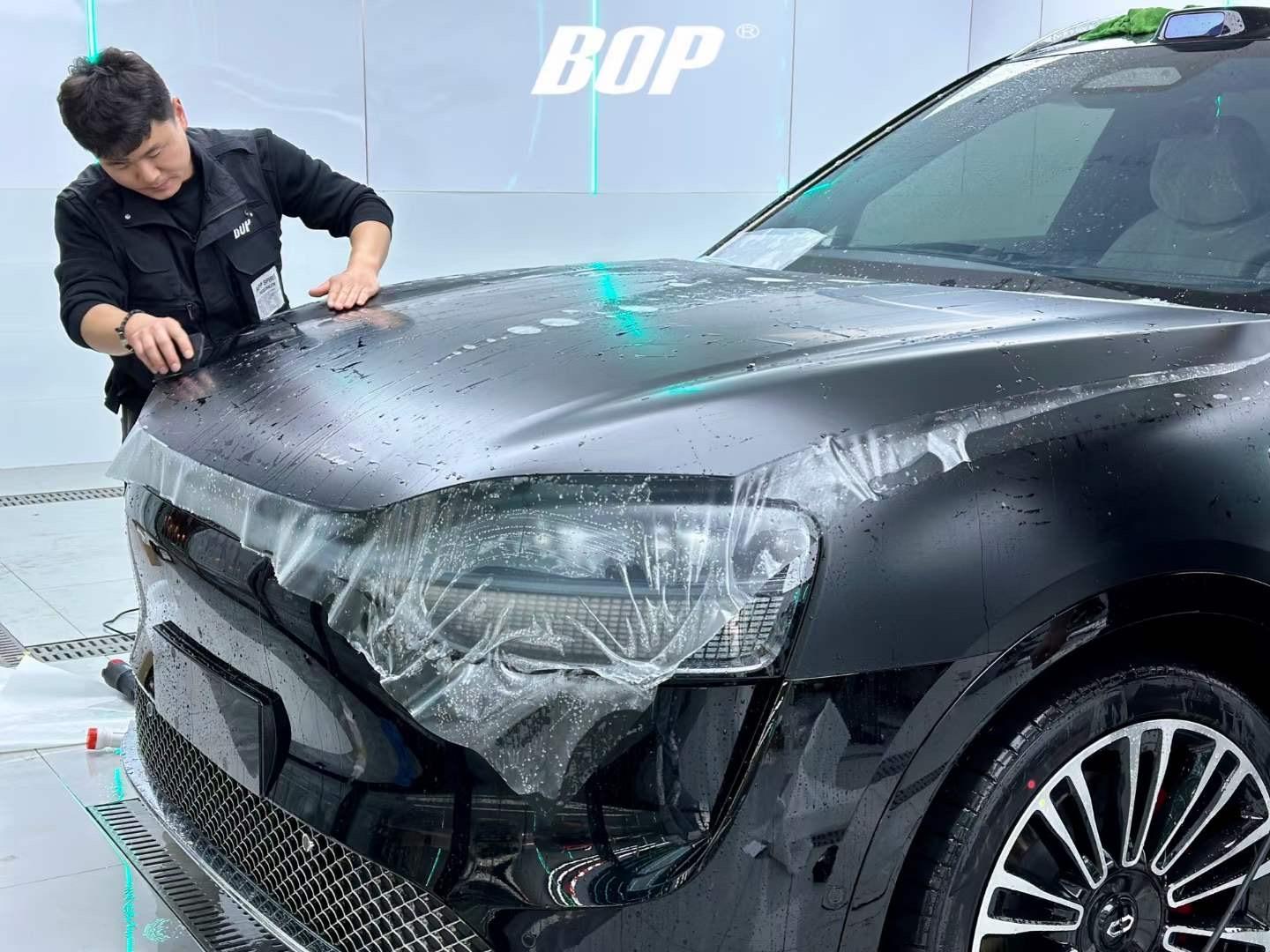
Paint Protection Film is no longer unfamiliar to most car owners, as it is the hottest and most effective paint maintenance product following waxing, crystal plating, and coating. From its initial use of PU to the gradual evolution into PVC and then TPU materials, the best material for invisible car coats is currently recognized as TPU. Not only does it possess stronger resistance against yellowing, but it also features a unique scratch self-healing function, capable of repairing minor scratches when exposed to heat. Why opt for TPU when choosing an invisible car coat?
Let's start with PVC, which stands for polyvinyl chloride. This material is commonly used in daily plastic products. When made into a film, its base film remains thick, stiff, not easily bendable, lacks flexibility, and hardly restores itself. After being scratched, PVC has no ability to automatically repair. This type of material was used in the early stages due to its low cost and poor performance, resulting in generally lower prices.
PU, or polyurethane, is mainly used in plastic products, wear-resistant rubber products, hard and soft foam plastic products, adhesives, and coatings. Although PU material boasts good physical properties, strong toughness, flexibility, and high tensile strength, its poor weather resistance and weak resistance against alkaline substances lead to yellowing, causing it to be phased out.
Currently, the best Paint Protection Film is made of TPU material. TPU, also known as thermoplastic polyurethane, is a type of polyurethane. The advantages of TPU car coats include tough impact resistance, puncture resistance, scratch resistance, stable heat repair capability, strong water repellency, excellent corrosion and stain resistance, high-temperature resistance, as well as resistance to low temperatures, oil, and chemical substances. Moreover, it's an environmentally friendly material that can be recycled and processed.
BOP Paint Protection Films utilizes TPU as its base material, defending against scratches, abrasions, enhancing paint brightness, resisting oxidation, preventing yellowing and fading of the car paint, avoiding corrosive substances from damaging the paint, and simplifying car washing with its strong water repellency. Its high transparency also enhances and brightens the paint surface, increasing the original factory paint's gloss by 35% while protecting it. In terms of protecting car paint, TPU material for invisible car coats is currently the best choice available.
Difference Between Vinyle Wrapes & PPF
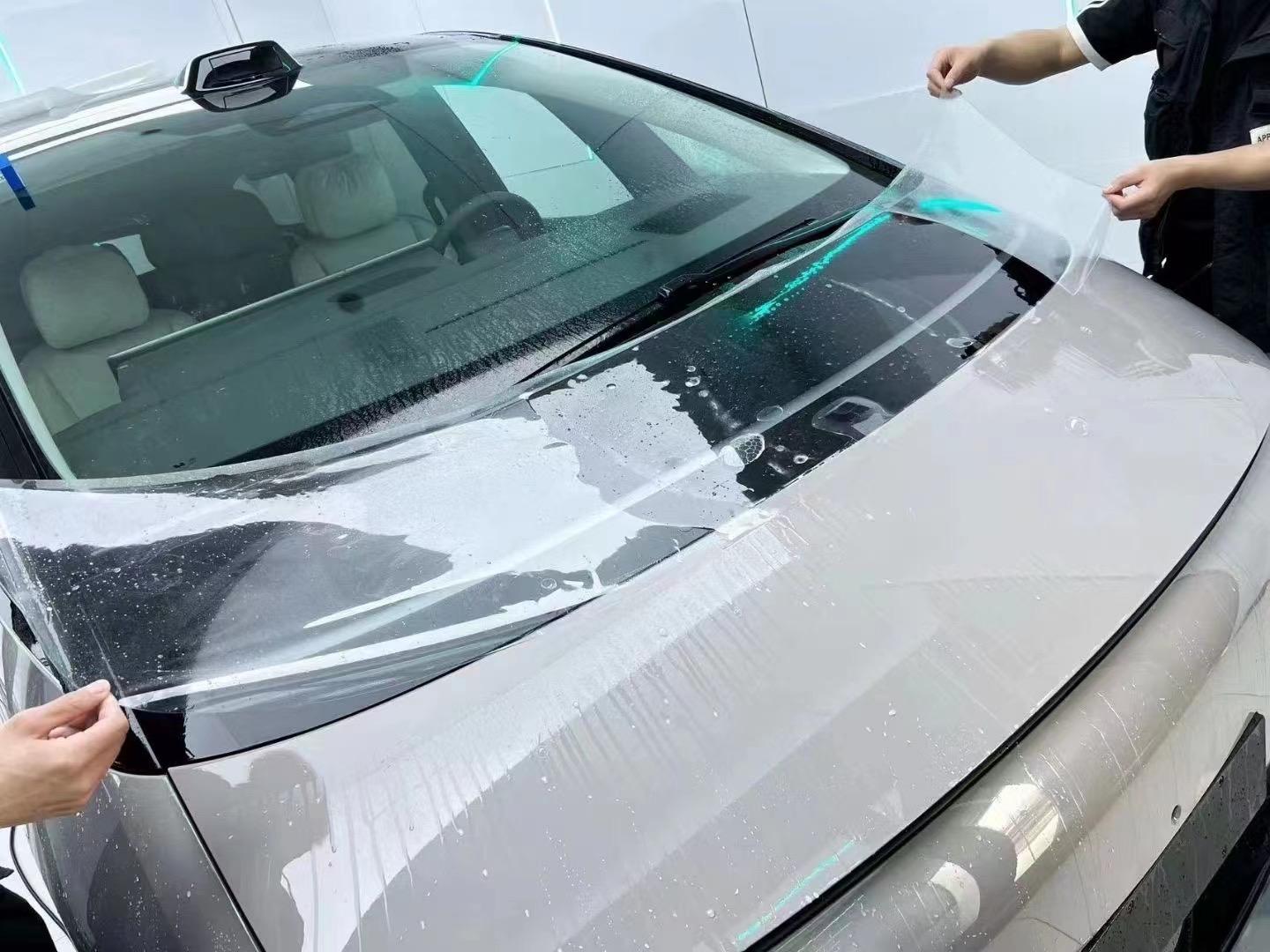
Discover the differences between Vinyl Wrap and PPF, exploring material composition, warranty periods, performance variances, and application methods, alongside insights into BOP's pioneering TPU-based PPF solutions.
History of Commercial Use TPU Based PPF.
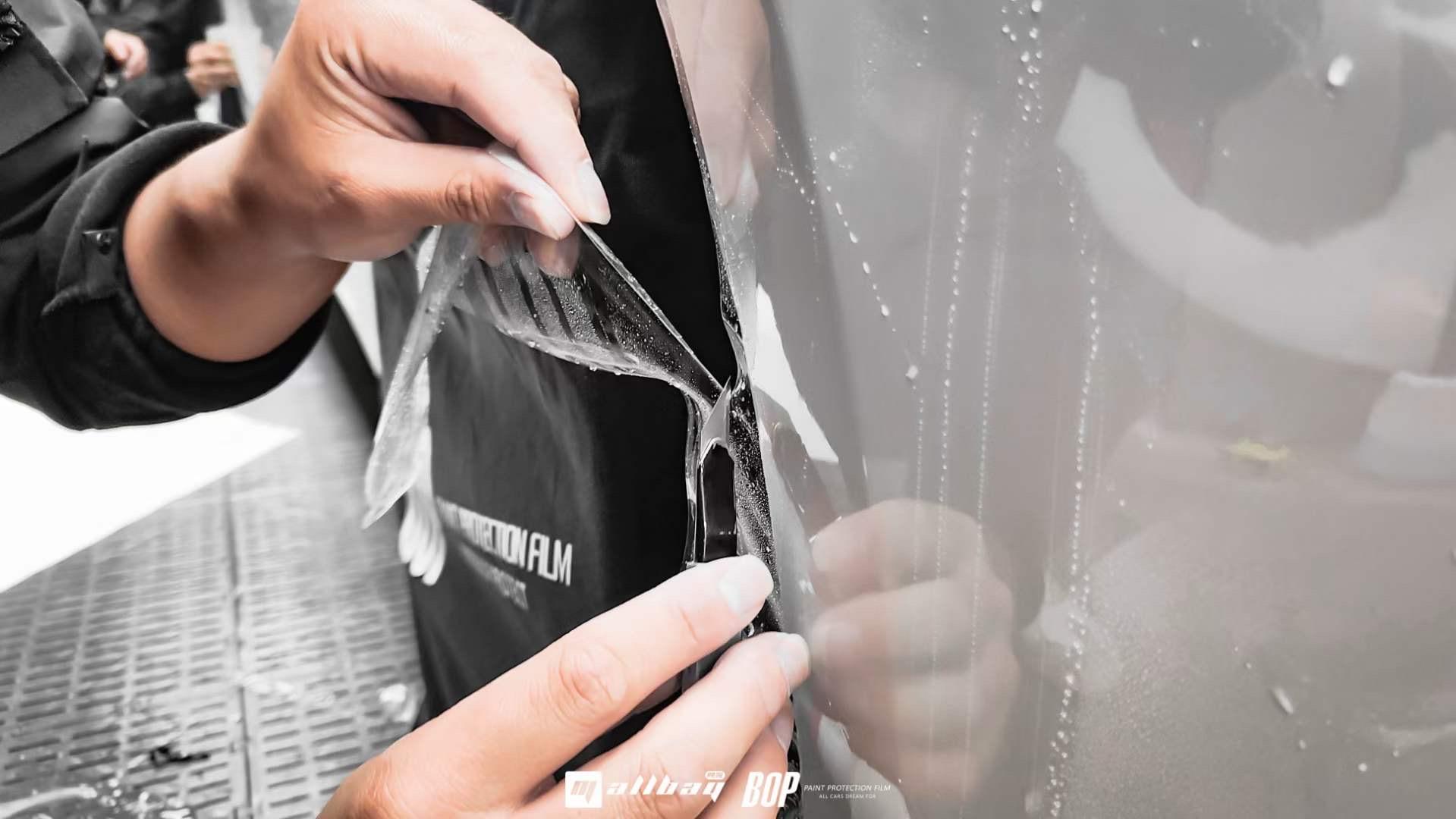
PPF has evolved through three generations: PU material ("Rhino Hide") for military use, PVC material for commercial applications, and TPU material, introduced in 2009, offering scratch-healing properties and durability.