

Blog
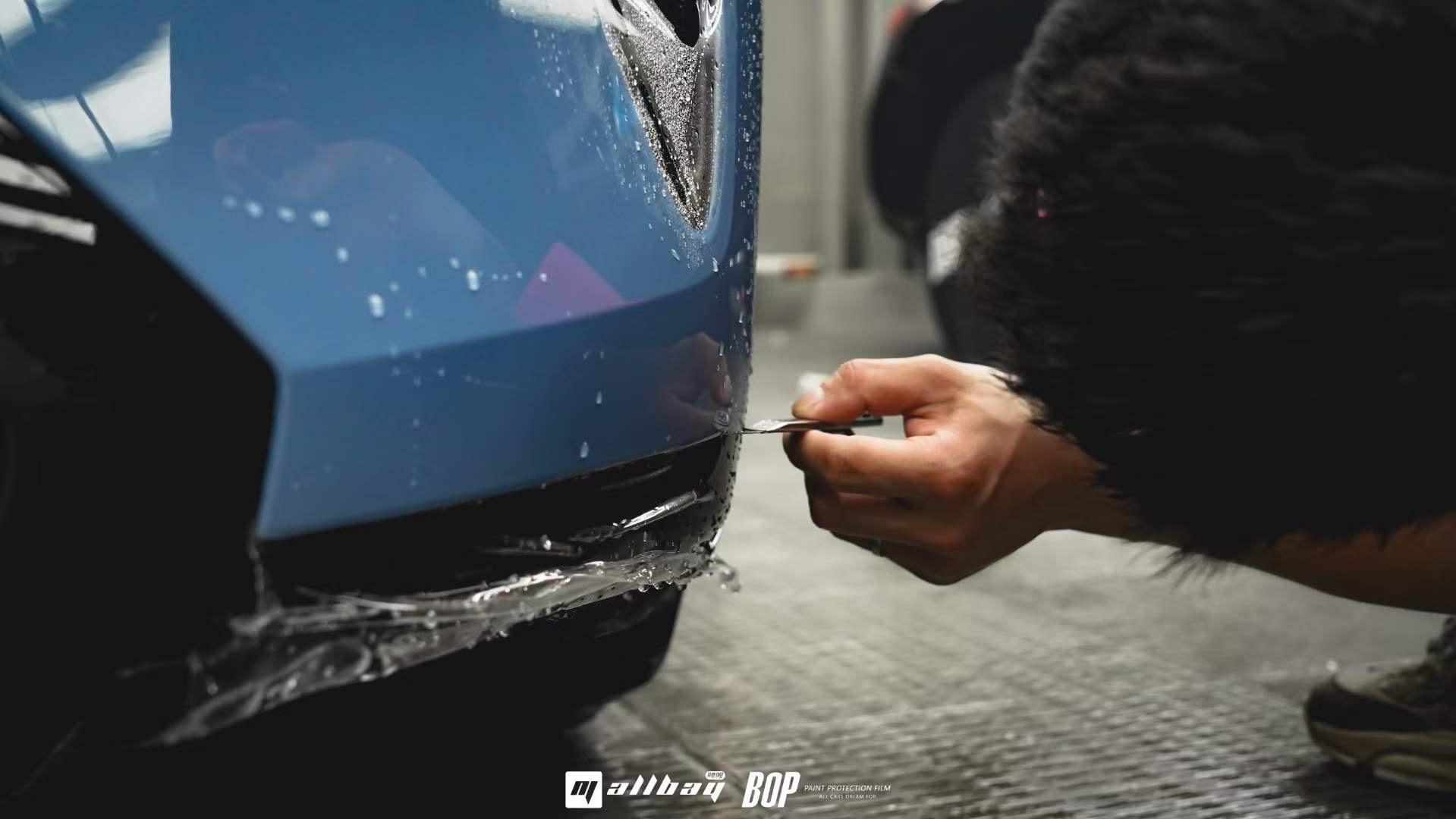
History of Commercial Use TPU Based PPF.
First Generation: PU Material, Rhino Hide
In fact, many things we use every day may have originated from military purposes, and invisible car coating is no exception. In a battlefield with dense jungles during the mid-19th century, helicopters faced potential damage risks to their rapidly rotating rotor blades during landing and takeoff due to foliage. In 1966, the world's first transparent protective film made of PU material was introduced, which was initially used to protect helicopter rotor blades. Due to its thickness and toughness, it was referred to as "Rhino Hide."In the 1970s, this Rhino Hide received further application, protecting the paint on stealth fighter jet radar domes. However, before this protective film transitioned from military to commercial use, car wraps for a considerable period after their inception were predominantly made of PVC material.
Second Generation: PVC Material, Commercial Use
In 1961, three German engineers entered Bill's interior decoration shop and asked Bill Colgan if they could apply a decorative film to their Porsche 356, leading to the invention of the first-generation automotive wrap. In the subsequent years of development, stretchable black ethylene-based (PVC) films became the sole choice for protecting car paint from debris and scratches. However, it had a drawback – prolonged use not only diminished its paint protection function but also caused damage when removed.By the 1980s, transparent protective film technology from military helicopters entered commercial use and found application in the professional racing field. Racing teams started using this transparent protective film at the front end of race cars to prevent damage from stones and abrasions during intense driving.Since the ethylene-based material for car wraps was already well-known in the industry, the originally military-grade film was referred to as invisible car coating. Invisible car coating can adapt its shape to the contours of the vehicle, protecting it from road debris and minor scratches. Additionally, it can block ultraviolet rays, preventing fading of the vehicle&aops;s paint.
Third Generation: Commercial Use, TPU Material
In 2009, a paint protection film made of TPU material was officially introduced. TPU base material is a thermoplastic polyurethane elastomer known for its scratch-healing upon heat, anti-aging, corrosion resistance, resistance to yellowing, and exceptional tensile strength and hardness. Over the subsequent years, paint protection films have continually evolved and innovated on TPU-based materials, offering increasingly diverse functionalities for protecting automotive paint.
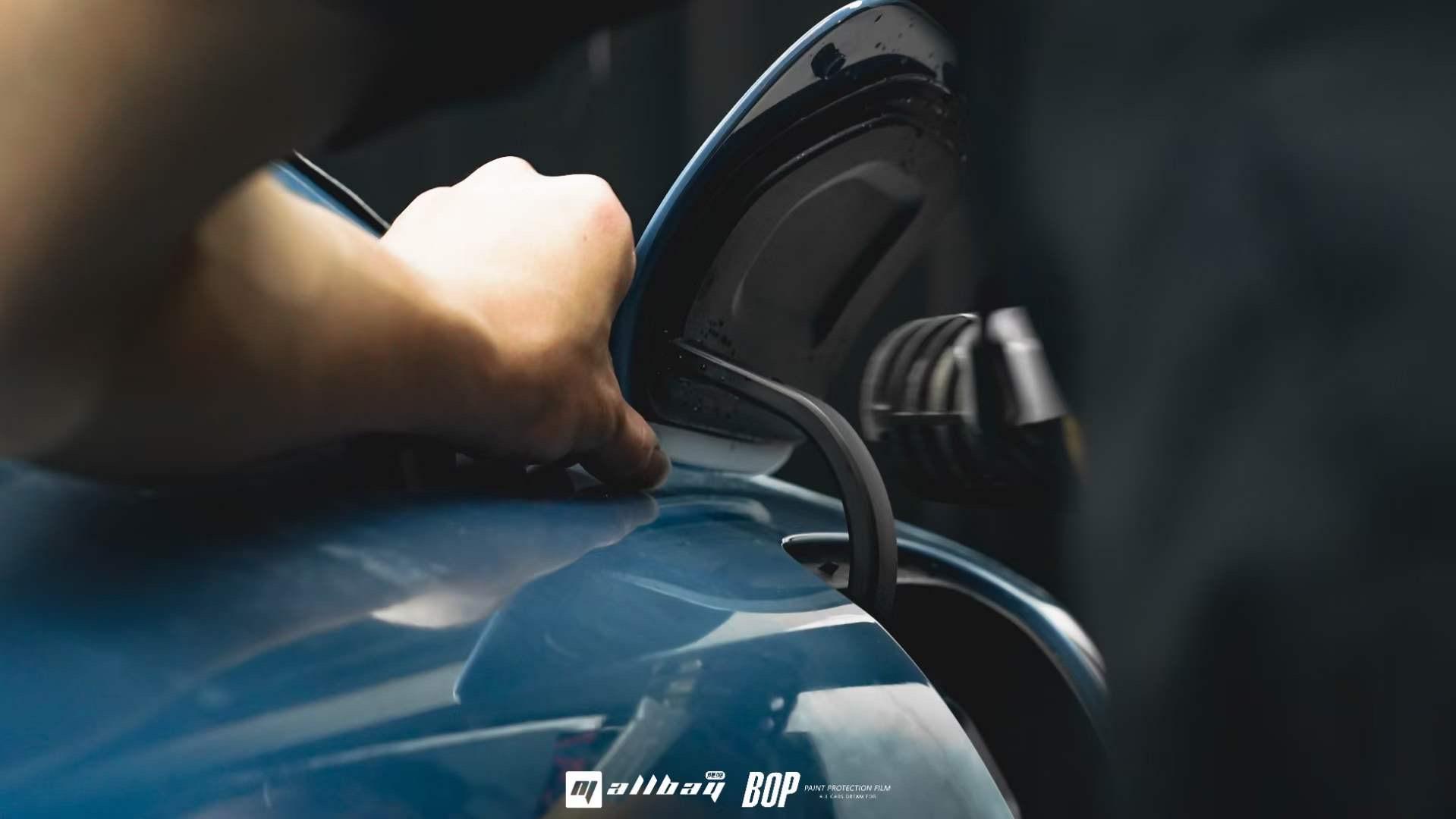
Why TPU based PPF is the real future
TPU-based PPF offers top-notch scratch resistance and self-healing properties. BOP's TPU films enhance paint brightness, defend against scratches, and simplify car maintenance.
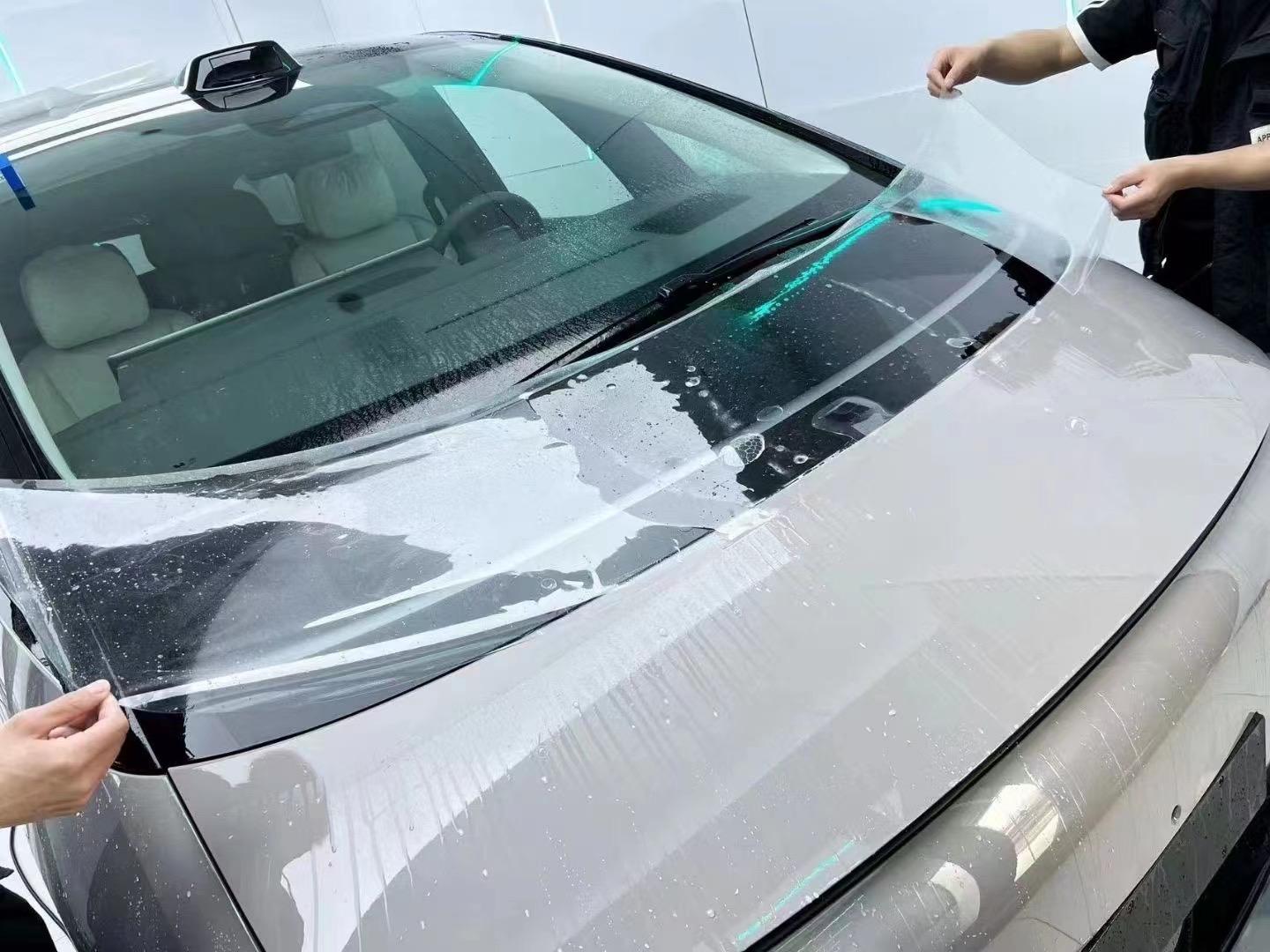
Difference Between Vinyle Wrapes & PPF
Discover the differences between Vinyl Wrap and PPF, exploring material composition, warranty periods, performance variances, and application methods, alongside insights into BOP's pioneering TPU-based PPF solutions.