

Blog
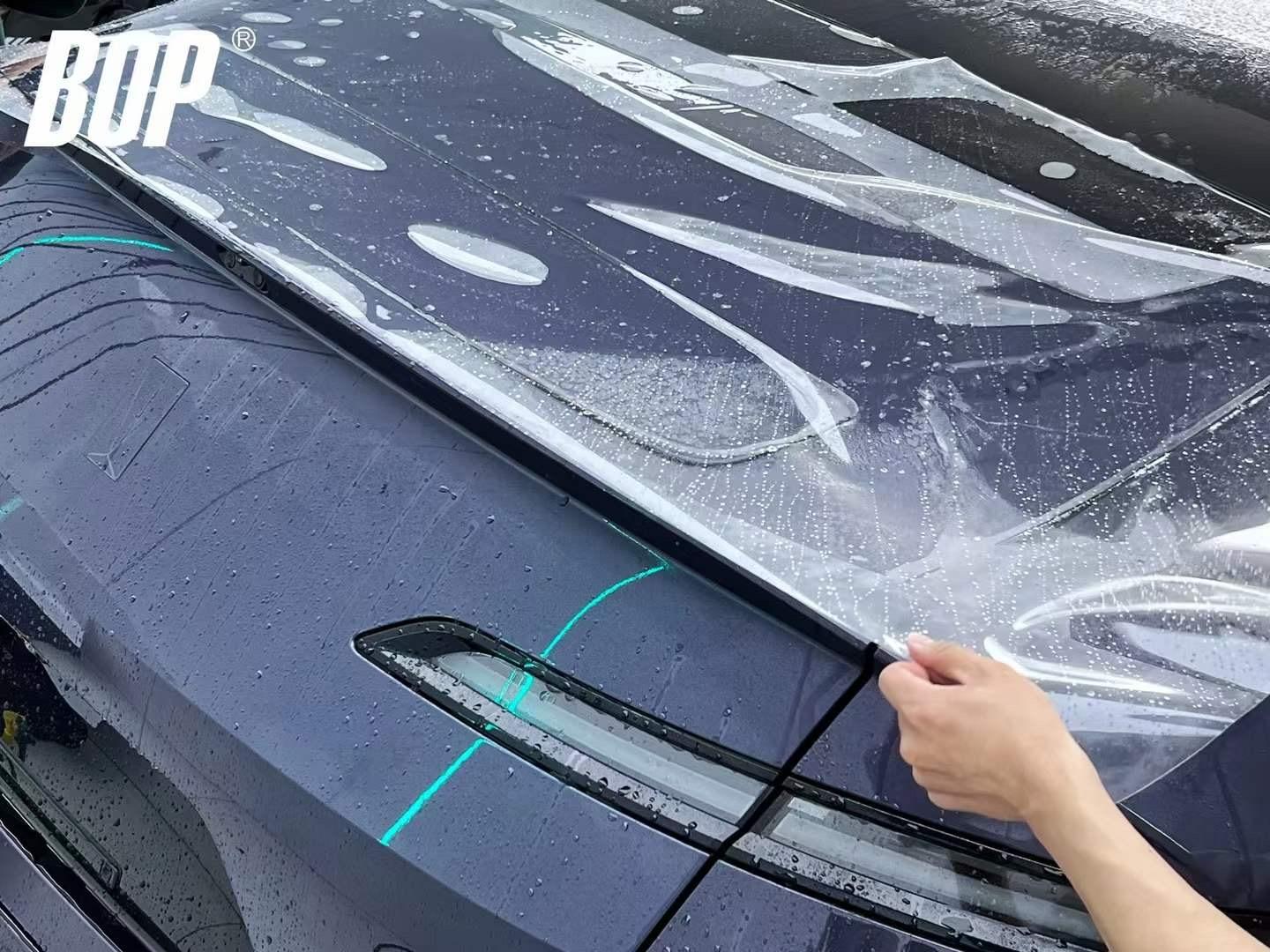
Difference between Vinyle Wraps and PPF
Different Material Composition
The difference between Vinyl Wrap and PPF is not merely about having color or not. PPF, also known as paint protection film, focuses primarily on "protection," whereas Vinyl Wrap, as the name suggests, emphasizes "changing color." Due to differing market demands for the two films, there are differences in terms of materials, performance, and prices.
Different Warranty Periods
Currently, the primary material for PPF is TPU, composed of polyurethane classified chemically as "rubber," with a material structure of coating + base material + adhesive layer.Vinyl Wrap primarily consists of PVC, composed of polyvinyl chloride classified chemically as "plastic," with a material structure of dye layer + base material + adhesive layer.The former is transparent and strong but lacks color, while the latter is easily tinted.
Performance Difference
Due to the base material and structure, the warranty period for PPF is longer, usually ranging from 5 to 10 years, with most brands offering a 10-year warranty. On the other hand, Vinyl Wrap has a shorter warranty period, typically showing signs of aging or color distortion after about 1 year. Generally, the warranty period ranges from 1 to 5 years, with most brands offering around 2 to 3 years of warranty.
Different Main Functions
The middle layer of PPF is TPU-based with a top nano-coating layer, possessing heat repair (scratch self-healing), strong corrosion resistance, and penetration resistance.Vinyl Wrap has a PVC middle layer and a colored top layer, lacking repair capabilities, having weaker toughness, no anti-scratch function, and fading gradually or losing color (discoloration) under UV exposure.
Different Application on Vehicles
The middle layer of PPF is TPU-based with a top nano-coating layer, possessing heat repair (scratch self-healing), strong corrosion resistance, and penetration resistance.Vinyl Wrap has a PVC middle layer and a colored top layer, lacking repair capabilities, having weaker toughness, no anti-scratch function, and fading gradually or losing color (discoloration) under UV exposure.
Differences in Product Costs and Prices
PPF is primarily applied to new cars, with over 80% applied within 6 months of purchase, sometimes within a month, to preserve the original paint.Vinyl Wrap is mainly applied to older cars; new cars may receive this treatment only if the original color is replaced, albeit rarely due to strong family opposition, mostly on cars used for several years.
Differences in Application
PPF consists of adhesive layers, TPU base materials, coating, and more.Vinyl Wrap consists of adhesive layers, PVC base materials, and color coating.Each corresponding layer's original material cost for PPF is higher than that of Vinyl Wrap (TPU costs much more than PVC, and the solution for heat repair coating is also a very expensive raw material, combined with high-standard production processes, making the material cost of PPF 3-5 times higher than Vinyl Wrap).Higher costs naturally lead to higher selling prices. Therefore, the price of PPF is significantly higher than that of Vinyl Wrap.
BOP TPU based PPF
The application of PPF is more sophisticated, including specialized applications (computer cutting, known as machine cutting) and manual cutting (referred to as 'hand application'). Machine cutting is becoming a trend; some meticulous PPF coatings require specific installation liquids, washing fluids, and maintenance solutions.Vinyl Wrap application, in contrast, is relatively simpler, primarily involving manual cutting without the need for any special installation solutions.
BOP stands as a leading brand in the realm of TPU-based PPF films, leveraging the exceptional characteristics that TPU provides for superior paint protection. BOP's innovative films integrate the remarkable attributes of TPU, ensuring longevity, scratch resistance, and remarkable heat repair capabilities, making it a preferred choice for those seeking top-notch paint protection solutions. Their commitment to quality and technological advancements has positioned BOP as a distinguished name in the industry, offering cutting-edge PPF solutions that prioritize safeguarding vehicle exteriors while maintaining optimal aesthetics.
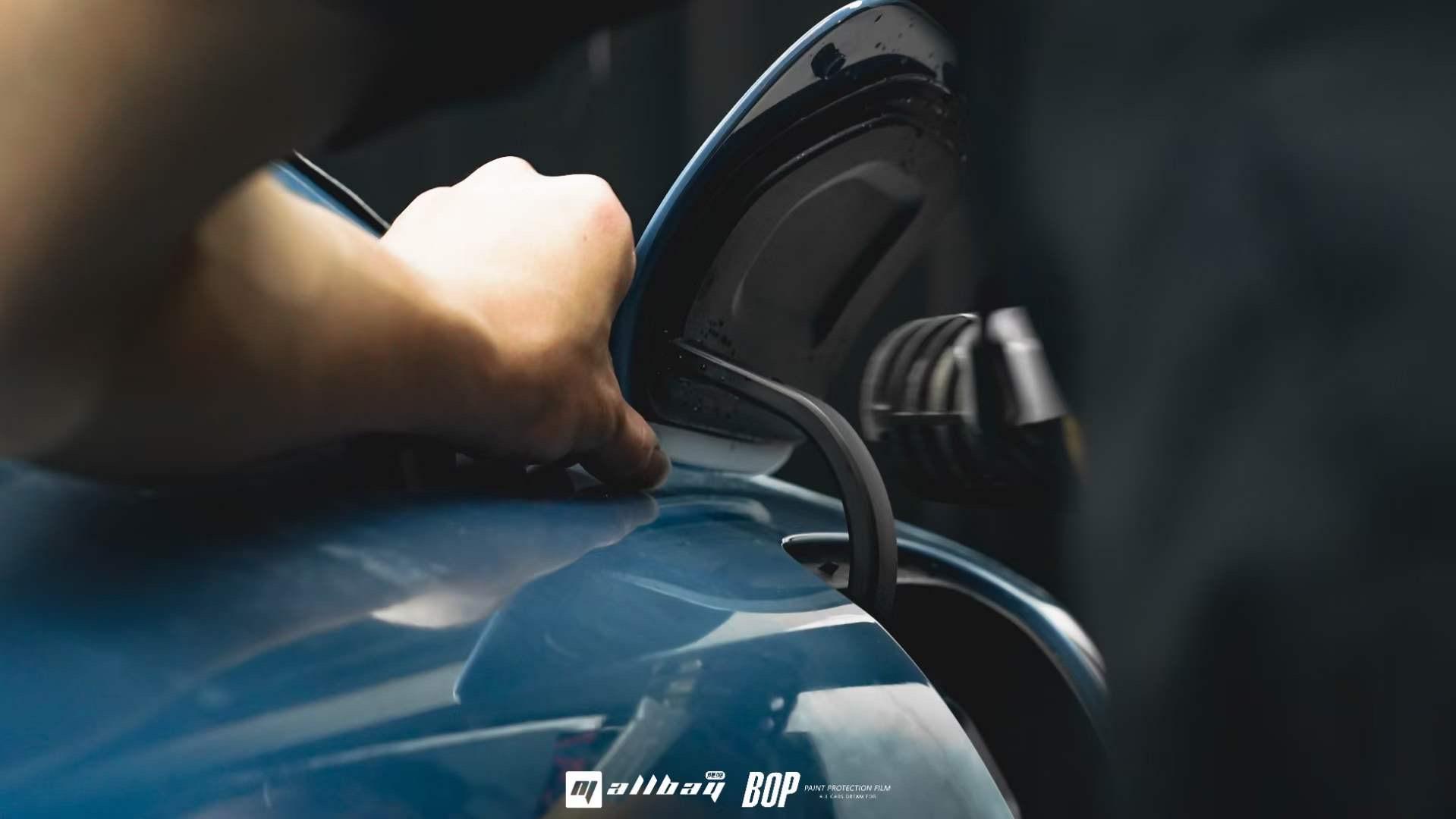
Why TPU based PPF is the real future
TPU-based PPF offers top-notch scratch resistance and self-healing properties. BOP's TPU films enhance paint brightness, defend against scratches, and simplify car maintenance.
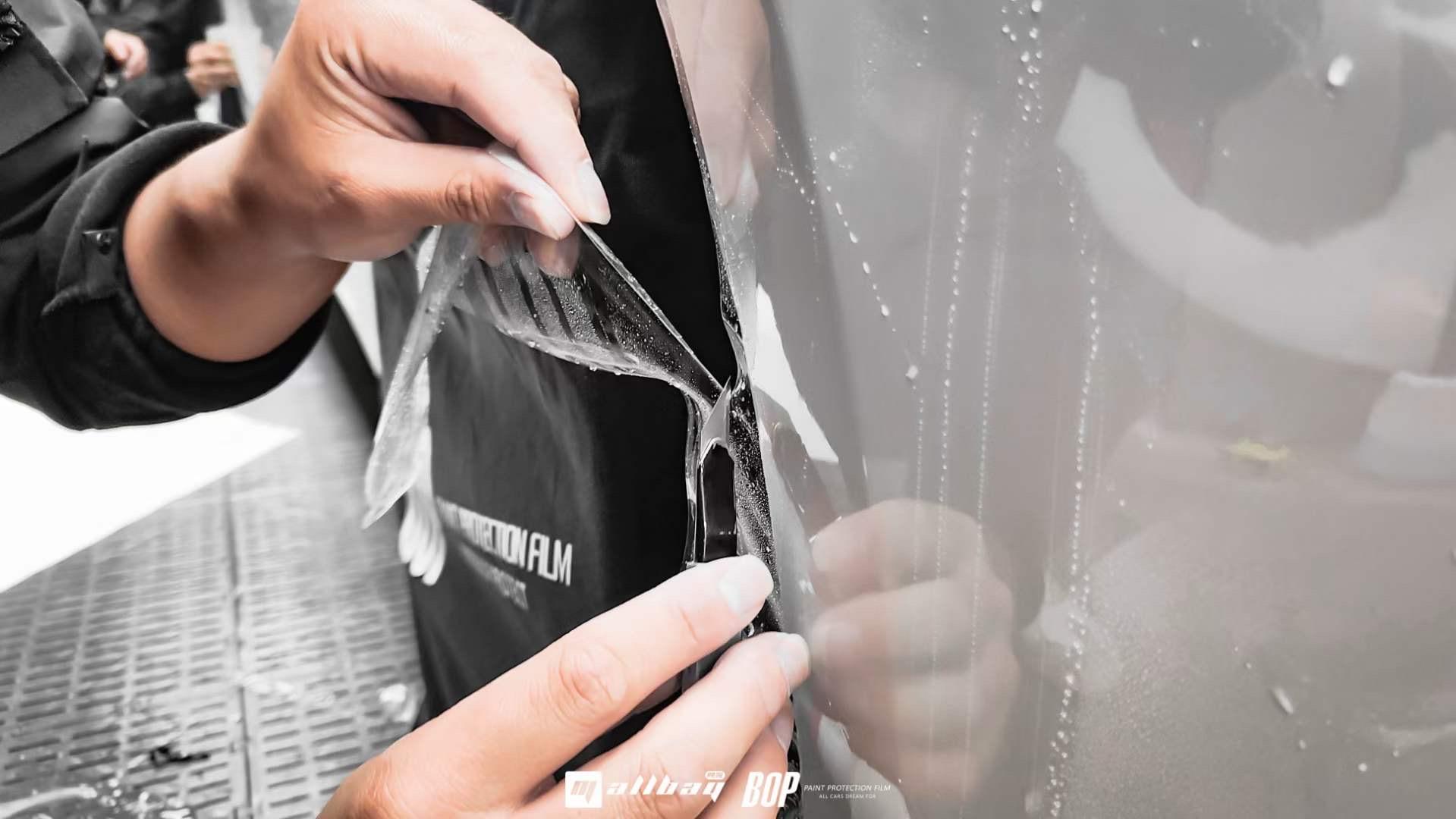
History of Commercial Use TPU Based PPF.
PPF has evolved through three generations: PU material ("Rhino Hide") for military use, PVC material for commercial applications, and TPU material, introduced in 2009, offering scratch-healing properties and durability.